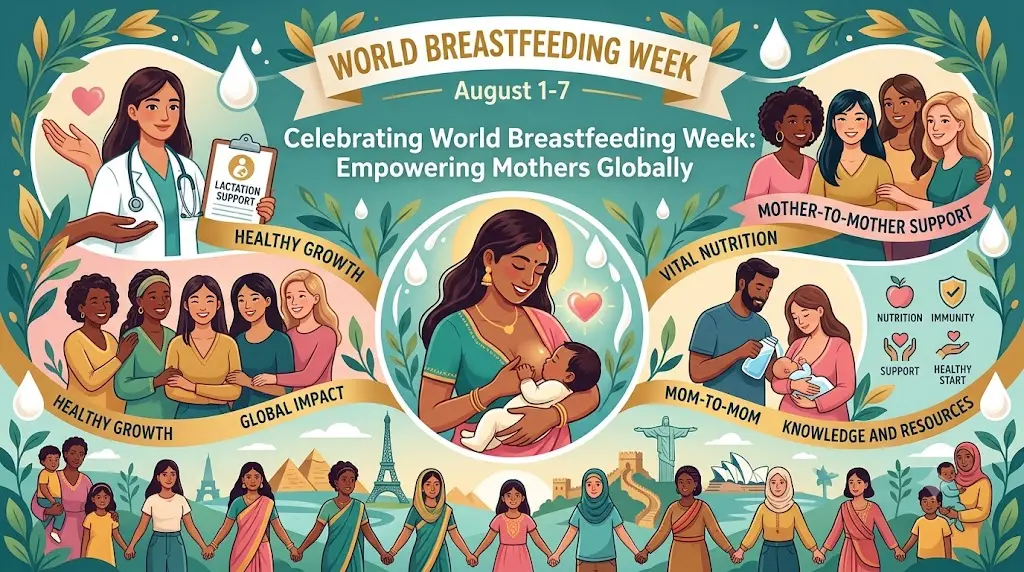
Celebrating World Breastfeeding Week: Empowering Mothers Globally
Updated: 29 Jul 2026
39
Introduction & Core Importance
World Breastfeeding Week, observed from 1st to 7th August, is a global campaign that aims to promote the benefits of breastfeeding and provide support to nursing mothers. This annual event is crucial in today’s society, as it addresses various challenges faced by mothers and highlights the significance of breastfeeding in promoting the health and well-being of both mothers and babies.
Historical Context & Timeline
World Breastfeeding Week was first observed in 1992 by the World Alliance for Breastfeeding Action (WABA), a global network that works to protect, promote, and support breastfeeding. Over the years, the campaign has grown in popularity, with many countries participating in the event and organizing various activities to promote breastfeeding.
Key Milestones
- 1992: World Breastfeeding Week is first observed by WABA.
- 1993: The World Health Organization (WHO) and the United Nations Children’s Fund (UNICEF) launch the Baby-Friendly Hospital Initiative to promote breastfeeding.
- 2000: The Innocenti Declaration is signed, aiming to promote breastfeeding and improve child health.
In-Depth Core Topic Analysis
Benefits of Breastfeeding
Breastfeeding has numerous benefits for both mothers and babies. For mothers, it helps in reducing the risk of breast and ovarian cancer, while also promoting weight loss after pregnancy. For babies, breast milk provides essential nutrients, boosts their immune system, and reduces the risk of infections and diseases.
Challenges Faced by Nursing Mothers
Nursing mothers often face various challenges, including lack of support, societal pressure, and workplace barriers. These challenges can make it difficult for mothers to continue breastfeeding, which is why it’s essential to provide them with the necessary support and resources.
Pros & Cons of Breastfeeding
- Pros:
- Boosts baby’s immune system
- Promotes mother-child bonding
- Supports mother’s mental health
- Cons:
- Can be painful and uncomfortable
- May require frequent feeding sessions
- Can be challenging in public
Data, Numbers & Comparison Tables
According to the WHO, breastfeeding can save up to 820,000 lives annually. The following table compares the benefits of breastfeeding in different countries:
| Country | Exclusive Breastfeeding Rate |
|---|---|
| USA | 25% |
| Canada | 32% |
| Australia | 40% |
Frequently Asked Questions (FAQ)
What are the benefits of breastfeeding for mothers?
Breastfeeding has numerous benefits for mothers, including reducing the risk of breast and ovarian cancer, promoting weight loss after pregnancy, and supporting mental health.
How can I overcome the challenges of breastfeeding?
To overcome the challenges of breastfeeding, it’s essential to have a strong support system, including family, friends, and healthcare professionals. Additionally, seeking help from lactation consultants and joining breastfeeding support groups can be beneficial.
What are some common myths about breastfeeding?
Some common myths about breastfeeding include the idea that breastfeeding is painful, that it’s not possible to breastfeed in public, and that breastfeeding will ruin the shape of the breasts. However, these myths are not supported by scientific evidence, and breastfeeding can be a positive and empowering experience for mothers.
Conclusion & Final Takeaways
In conclusion, World Breastfeeding Week is an essential campaign that promotes the benefits of breastfeeding and provides support to nursing mothers. By understanding the importance of breastfeeding and addressing the challenges faced by mothers, we can work towards creating a more supportive and empowering environment for nursing mothers.
Please Write Your Comments