Celebrating the Day of the World’s Indigenous Peoples | A Journey of Resilience
Updated: 31 Jul 2026
128
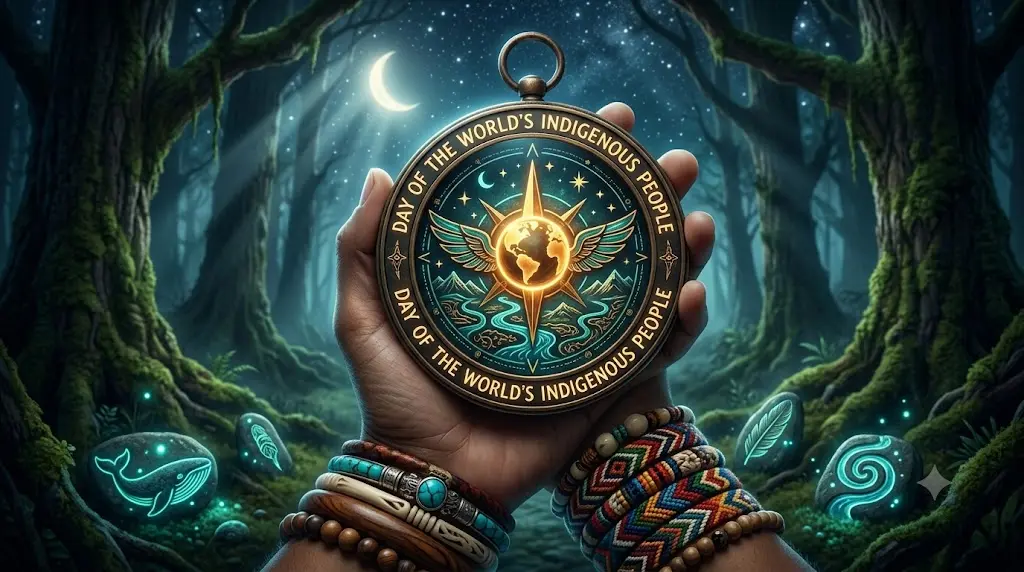
The Day of the World’s Indigenous People is observed on August 9th every year to promote and protect the rights of the world’s indigenous population. According to the United Nations, there are over 370 million indigenous people spread across 90 countries, making up less than 5% of the world’s population but accounting for 15% of the poorest. This day matters as it sheds light on the struggles and achievements of indigenous peoples.
Historical Context & Timeline
The idea of dedicating a day to indigenous peoples was first proposed in 1982, but it wasn’t until 1994 that the United Nations General Assembly decided to mark August 9th as the International Day of the World’s Indigenous People. This date was chosen to commemorate the first meeting of the Working Group on Indigenous Populations of the United Nations Sub-Commission on the Promotion and Protection of Human Rights, which took place on August 9, 1982.
Key Milestones in Indigenous Rights
- 1982: The first meeting of the Working Group on Indigenous Populations.
- 1994: The UN General Assembly decides to mark August 9th as the International Day of the World’s Indigenous People.
- 2007: The UN General Assembly adopts the United Nations Declaration on the Rights of Indigenous Peoples.
In-Depth Core Topic Analysis
Challenges Faced by Indigenous Peoples
Indigenous peoples face numerous challenges, including the loss of land and resources, cultural suppression, and social discrimination. These challenges have severe impacts on their health, education, and economic well-being.
Preservation of Indigenous Cultures
Efforts to preserve indigenous cultures include language preservation, cultural festivals, and traditional practices. These efforts are crucial in maintaining the identity and heritage of indigenous peoples.
Empowerment and Participation
Empowering indigenous peoples through participation in decision-making processes and ensuring their rights are respected and protected is essential for their well-being and development.
Pros & Cons of Indigenous Rights Movements
- Pros:
- Promotes equality and justice for indigenous peoples.
- Protects indigenous cultures and languages.
- Empowers indigenous communities to manage their own affairs.
- Cons:
- Can be challenging to implement due to resistance from governments and corporations.
- May require significant resources and funding.
- Can be difficult to balance the rights of indigenous peoples with national interests.
Data, Numbers & Comparison Tables
According to the United Nations, indigenous peoples are:
- 3 times more likely to live in extreme poverty.
- 2 times more likely to be undernourished.
- 1.5 times more likely to die from treatable diseases.
| Indicator | Indigenous Peoples | Non-Indigenous Peoples |
|---|---|---|
| Poverty Rate | 30% | 10% |
| Undernourishment | 25% | 10% |
Frequently Asked Questions
What is the International Day of the World’s Indigenous People?
This day is observed on August 9th to promote and protect the rights of the world’s indigenous population.
Why is it important to recognize indigenous peoples’ rights?
Recognizing indigenous peoples’ rights is essential for promoting equality, justice, and human dignity.
How can we support indigenous peoples?
We can support indigenous peoples by learning about their cultures, respecting their rights, and advocating for policies that promote their well-being.

Conclusion & Final Takeaways
In conclusion, the Day of the World’s Indigenous People is a significant day that sheds light on the struggles and achievements of indigenous peoples. It is essential that we recognize and respect the rights of indigenous peoples to promote equality, justice, and human dignity.
Please Write Your Comments