Celebrating World Lion Day: Conservation and Awareness
Updated: 31 Jul 2026
81
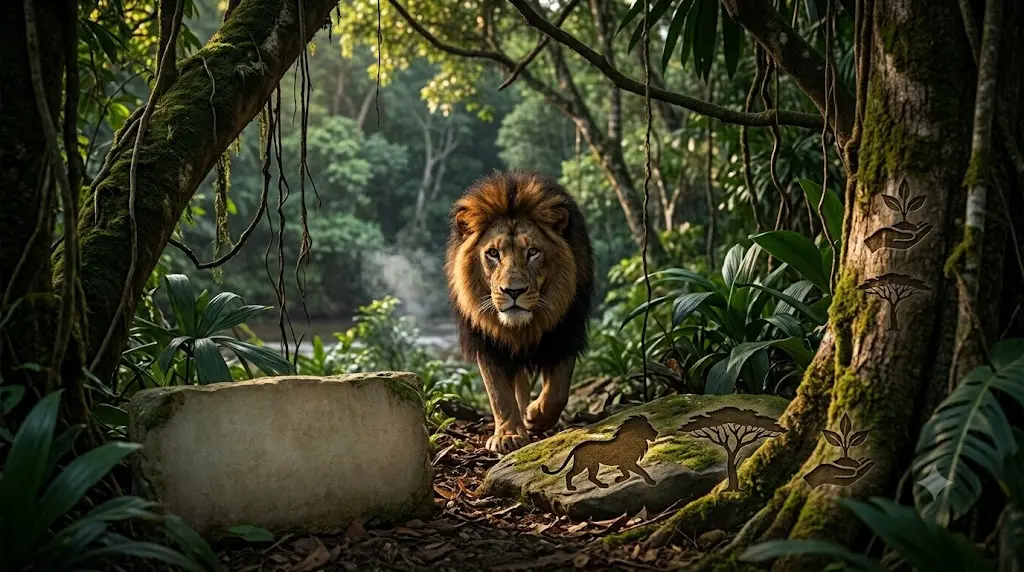
Introduction to World Lion Day
Lions, often referred to as the kings of the jungle, are majestic creatures that play a vital role in maintaining the balance of ecosystems. However, their populations are declining at an alarming rate due to habitat loss, human-wildlife conflict, and poaching. World Lion Day, observed on August 10th, is a global initiative aimed at raising awareness about the plight of lions and the importance of conservation efforts.
Historical Context and Timeline
The concept of World Lion Day was first introduced in 2013 by Dereck and Beverly Joubert, a couple known for their wildlife conservation efforts and documentary filmmaking. The day is chosen to coincide with the peak tourist season in Africa, highlighting the need for responsible tourism practices that support lion conservation.
In-Depth Analysis of Lion Conservation
Threats to Lion Populations
Habitat loss and fragmentation are among the primary threats to lion populations. As natural habitats are converted into agricultural land, urban areas, and other human-dominated landscapes, lions are left with limited space and resources. Human-wildlife conflict is another significant issue, where lions encroach upon human settlements and agricultural areas in search of prey, leading to retaliatory killings by humans.
Conservation Efforts
Several organizations and governments are working together to protect lion habitats and reduce human-wildlife conflict. Protected areas, such as national parks and wildlife reserves, provide a safe haven for lions and other wildlife. Community-based conservation initiatives engage local communities in lion conservation, providing them with economic benefits and incentives to coexist with lions.

Pros and Cons of Lion Conservation Efforts
- Pros: Protected areas and community-based conservation initiatives have shown promising results in stabilizing lion populations and reducing human-wildlife conflict.
- Cons: The establishment of protected areas can lead to the displacement of local communities, and the effectiveness of conservation efforts can be hindered by limited resources and corruption.
Data and Statistics
According to the International Union for Conservation of Nature (IUCN), the current estimated population of lions in the wild is around 20,000-30,000. The table below highlights the decline in lion populations over the years.
Here is the requested table formatted clearly for your blog post or document:
Estimated Global Lion Population Over Time
| Year | Estimated Lion Population |
| 1950s | 450,000 |
| 1980s | 100,000 |
| 2020s | 20,000 – 30,000 |
Frequently Asked Questions
What is World Lion Day?
World Lion Day is a global initiative aimed at raising awareness about the plight of lions and the importance of conservation efforts.
How can I contribute to lion conservation?
You can contribute to lion conservation by supporting reputable organizations, spreading awareness about the importance of conservation, and making eco-friendly choices in your daily life.
What is the current status of lion populations?
The current estimated population of lions in the wild is around 20,000-30,000, with a declining trend due to habitat loss, human-wildlife conflict, and poaching.
Conclusion and Final Takeaways
In conclusion, World Lion Day serves as a reminder of the importance of conservation efforts and the need for collective action to protect these majestic creatures. By supporting conservation initiatives, spreading awareness, and making eco-friendly choices, we can all contribute to the protection of lions and their habitats.
Please Write Your Comments