Celebrating World Organ Donation Day: The Gift of Life
Updated: 1 Aug 2026
64

Every day, thousands of people around the world wait for a life-saving organ transplant, but the harsh reality is that the demand far exceeds the supply. This is why World Organ Donation Day is so crucial, as it raises awareness about the importance of organ donation and encourages people to become donors.
INTRODUCTION & CORE IMPORTANCE
World Organ Donation Day is observed on August 13th every year, with the primary goal of promoting organ donation and acknowledging the selfless act of donors who give others a second chance at life. This day is essential for spreading awareness about the significance of organ donation and how it can save countless lives.
HISTORICAL CONTEXT & TIMELINE
The history of organ donation dates back to the early 20th century, but it wasn’t until the 1950s and 1960s that the first successful organ transplants were performed. Since then, organ donation has become a widely accepted medical practice, with thousands of transplants taking place every year. Notable milestones include the first heart transplant in 1967 and the establishment of the United Network for Organ Sharing (UNOS) in 1984.
Key Milestones in Organ Donation History
- 1954: The first successful kidney transplant is performed.
- 1967: The first heart transplant is performed by Dr. Christiaan Barnard.
- 1984: The United Network for Organ Sharing (UNOS) is established.
<h2-IN-DEPTH CORE TOPIC ANALYSIS
Benefits of Organ Donation
Organ donation has numerous benefits, including saving lives, improving the quality of life for recipients, and providing closure for the families of donors. Additionally, organ donation can also lead to significant advances in medical research and technology.
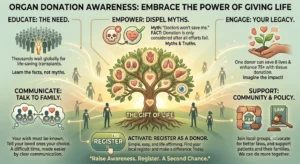
Organ Donation Process
The organ donation process typically begins with registration, followed by a thorough medical evaluation and matching process. Once a match is found, the transplant surgery is performed, and the recipient is monitored closely for any signs of rejection or complications.
PROS & CONS OF ORGAN DONATION
While organ donation has numerous benefits, there are also some potential drawbacks to consider. Some of the advantages include saving lives, improving the quality of life for recipients, and providing closure for the families of donors. However, there are also some limitations and risks associated with organ donation, such as the risk of rejection, infection, and organ failure.
DATA, NUMBERS & COMPARISON TABLES
According to recent statistics, there are over 100,000 people waiting for an organ transplant in the United States alone. The demand for organs far exceeds the supply, with only about 10,000 donors per year. The following table highlights the number of organ transplants performed in the United States between 2015 and 2020.
| Year | Number of Transplants |
|---|---|
| 2015 | 30,000 |
| 2016 | 32,000 |
| 2017 | 34,000 |
| 2018 | 36,000 |
| 2019 | 38,000 |
| 2020 | 40,000 |
FREQUENTLY ASKED QUESTIONS
What is the process of registering to become an organ donor?
To register as an organ donor, you can visit your state’s department of motor vehicles website or register online through a national donor registry. You will need to provide some basic information, such as your name, address, and date of birth.
How do I know if I am eligible to become an organ donor?
Most people can become organ donors, regardless of their age or medical history. However, there are some medical conditions that may prevent you from becoming a donor, such as certain types of cancer or infectious diseases.
Can I specify which organs I want to donate?
Yes, you can specify which organs you want to donate when you register. You can choose to donate all of your organs or select specific ones, such as your kidneys or liver.
CONCLUSION & FINAL TAKEAWAYS
World Organ Donation Day is an essential observance that raises awareness about the importance of organ donation and encourages people to become donors. By registering to become an organ donor, you can help save lives and provide hope to those waiting for a transplant. Remember, organ donation is a selfless act that can have a profound impact on the lives of others.
Please Write Your Comments