Celebrating National Honeybee Day: The Buzz on Bee Conservation
Updated: 7 Aug 2026
47
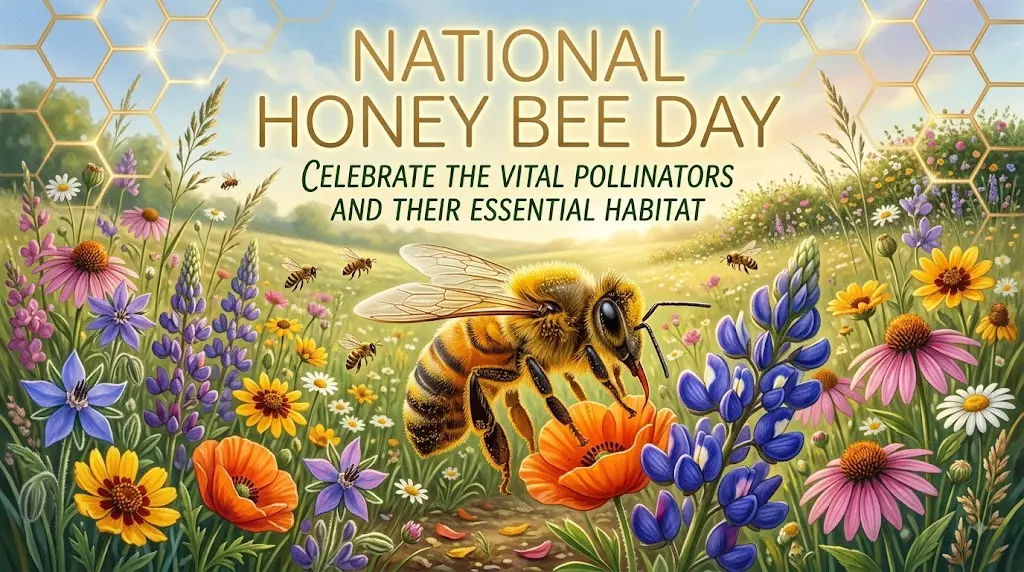
With over 17,000 species of bees worldwide, honeybees play a vital role in pollinating 1/3 of the world’s crops, including fruits, vegetables, and nuts. National Honeybee Day, observed on the third Saturday of August, aims to raise awareness about the significance of honeybees and the challenges they face.
Historical Context & Timeline
The history of beekeeping dates back to 15,000 years ago, with evidence of ancient civilizations harvesting honey from beehives. In the United States, National Honeybee Day was first observed in 2009 to promote bee conservation and education.
Key Milestones in Bee Conservation
- 1970s: The introduction of varroa mites leads to a significant decline in honeybee populations.
- 2006: The Colony Collapse Disorder (CCD) is identified, causing widespread bee colony losses.
- 2014: The White House launches the Pollinator Health Strategy to address bee conservation.
In-Depth Core Topic Analysis
The Importance of Honeybees in Pollination
Honeybees are responsible for pollinating 80% of the world’s almonds, as well as numerous other crops, including apples, blueberries, and avocados. Without honeybees, food production would be severely impacted, resulting in economic losses and food shortages.
Threats to Honeybee Populations
Habitat loss, pesticide use, and climate change are major contributors to the decline of honeybee populations. The widespread use of neonicotinoids has been linked to bee deaths, while climate change alters the delicate timing of plant-bee interactions.
Pros & Cons of Beekeeping
- Pros: Beekeeping provides a source of income, promotes pollination, and supports ecosystem health.
- Cons: Beekeeping requires significant time and resources, and can be affected by disease and pests.
Data, Numbers & Comparison Tables
The economic value of pollination services provided by honeybees is estimated to be around $200 billion annually. The following table highlights the importance of honeybees in pollinating various crops:
| Crop | Percentage of Pollination by Honeybees |
|---|---|
| Almonds | 80% |
| Apples | 60% |
| Blueberries | 70% |
Frequently Asked Questions
What is National Honeybee Day?
National Honeybee Day is an annual event observed on the third Saturday of August to raise awareness about the importance of honeybees and the challenges they face.
How can I help conserve honeybees?
You can help conserve honeybees by planting bee-friendly flowers, reducing pesticide use, and supporting local beekeepers.
What is the current state of honeybee populations?
Honeybee populations are still declining, with 30-40% of colonies lost annually due to various threats.
Conclusion & Final Takeaways
National Honeybee Day serves as a reminder of the critical role honeybees play in our ecosystem and the need for collective action to protect these vital pollinators. By supporting bee conservation efforts and making conscious choices in our daily lives, we can help ensure the long-term health of honeybee populations and the food systems they support. Read World Honey Bee Day…
Please Write Your Comments