Hiroshima Day: Remembering the Atomic Bombing and Its Lasting Impact
Updated: 30 Jul 2026
70
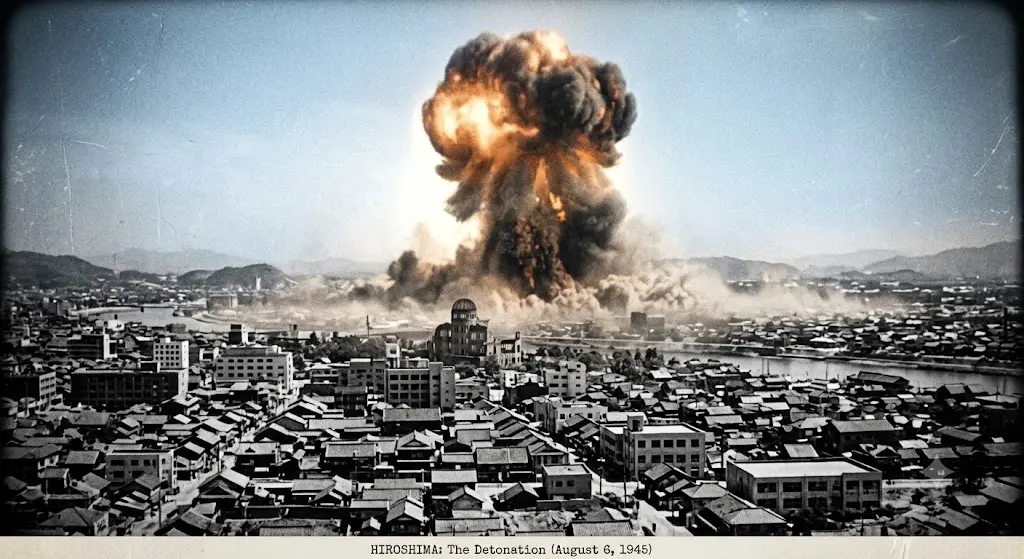
Hiroshima Day: A Somber Reminder of the Dangers of War
**August 6th** is a day that will be etched in the memories of people around the world for generations to come. It was on this day in 1945 that the city of Hiroshima, Japan, was devastated by an atomic bomb dropped by the United States. The bombing, which killed an estimated 70,000 to 80,000 people immediately, was a pivotal moment in world history, marking the beginning of the nuclear age and serving as a stark reminder of the devastating consequences of war.
Historical Context: The Road to Hiroshima
The decision to drop the atomic bomb on Hiroshima was the culmination of a series of events that began during World War II. The United States, which had been working on the development of an atomic bomb since 1942, saw it as a means to end the war quickly and avoid the need for a potentially bloody invasion of Japan. After the bomb was successfully tested in New Mexico, the U.S. government decided to use it against Japan, with Hiroshima being chosen as the target due to its military significance and relatively small size compared to other Japanese cities.
The Bombing of Hiroshima and Its Aftermath
The atomic bomb, known as **Little Boy**, was dropped on Hiroshima at 8:15 a.m. local time on August 6, 1945. The bomb exploded with a blinding flash, followed by a wave of intense heat and radiation that destroyed nearly 90% of the city. The immediate effects of the bombing were catastrophic, with thousands of people killed or injured in the blast and many more dying in the days and weeks that followed from radiation sickness. The city’s infrastructure was also severely damaged, leaving survivors without access to basic necessities like food, water, and medical care.
Long-Term Consequences: Health Effects and Nuclear Proliferation
The bombing of Hiroshima had long-term consequences that extended far beyond the immediate devastation. Survivors of the blast, known as **hibakusha**, suffered from a range of health problems, including cancer, birth defects, and other diseases caused by radiation exposure. The bombing also marked the beginning of the nuclear age, leading to a global arms race and the proliferation of nuclear weapons that continues to pose a threat to international security today.
Remembering Hiroshima: Commemorations and Peace Efforts
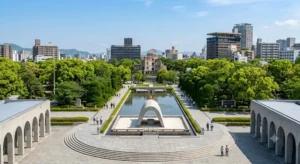
Toda, Hiroshima is remembered as a symbol of the devastating consequences of war and the importance of promoting peace and nuclear disarmament. Each year on August 6th, the city holds a **Peace Memorial Ceremony** to honor the victims of the bombing and promote peace and nuclear disarmament. The ceremony, which includes a moment of silence, speeches by dignitaries, and the release of doves, is attended by thousands of people from around the world and is broadcast internationally.
FAQs
What was the name of the atomic bomb dropped on Hiroshima?
The atomic bomb dropped on Hiroshima was known as **Little Boy**.
How many people were killed immediately by the bombing of Hiroshima?
An estimated 70,000 to 80,000 people were killed immediately by the bombing of Hiroshima.
What is the significance of Hiroshima Day?
Hiroshima Day is significant because it marks the beginning of the nuclear age and serves as a stark reminder of the devastating consequences of war.
Conclusion: The Lasting Impact of Hiroshima
The bombing of Hiroshima was a pivotal moment in world history, marking the beginning of the nuclear age and serving as a stark reminder of the devastating consequences of war. As we remember the victims of the bombing and promote peace and nuclear disarmament, we must also recognize the importance of learning from the past to build a more peaceful and secure future for all.
Please Write Your Comments