International Overdose Awareness Day: Break the Silence
Updated: 3 Aug 2026
64
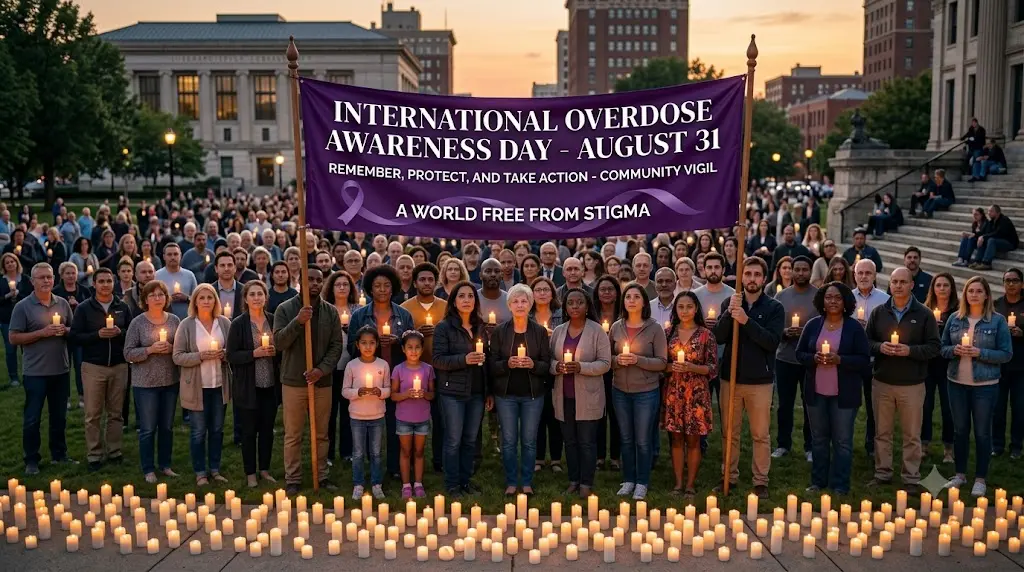
Every year, thousands of lives are lost due to overdose, with over 500,000 deaths reported in the United States alone. The question remains, what can be done to prevent such tragedies and support those affected?
INTRODUCTION & CORE IMPORTANCE
International Overdose Awareness Day, observed on August 31st, aims to raise awareness about overdose and reduce the stigma associated with it. This day is crucial for communities worldwide to come together and address the issue.
HISTORICAL CONTEXT & TIMELINE
The concept of International Overdose Awareness Day was first introduced in 2001 by Australia’s Penington Institute. Since then, the day has been observed annually to promote awareness and action against overdose.
IN-DEPTH CORE TOPIC ANALYSIS
Understanding Overdose
An overdose occurs when an individual takes more than the recommended dose of a substance, leading to harmful or potentially life-threatening consequences. Substance abuse and mental health issues are often linked to overdose.
Prevention and Support
Preventing overdose requires a multifaceted approach, including education, support groups, and access to harm reduction services. It is essential to break the silence surrounding overdose and encourage open discussions about the issue.
DATA, NUMBERS & COMPARISON TABLES
According to recent statistics, 70% of overdose deaths involve opioids. The following table highlights the comparison between opioid-related overdose deaths in different regions:
| Region | Opioid-Related Overdose Deaths |
| — | — |
| United States | 46,000 |
| Europe | 20,000 |
| Australia | 1,000 |
PROS & CONS
The implementation of harm reduction strategies has both advantages and limitations. Some of the pros include:
Pros
- Reduces the Risk of Overdose and Saves Lives: Harm reduction measures such as naloxone distribution, supervised consumption services, and overdose education can significantly reduce fatal overdoses by providing timely intervention during emergencies.
- Improves Access to Healthcare and Support Services: These programs often serve as a bridge to healthcare by connecting individuals with medical professionals, mental health services, addiction treatment, counseling, housing assistance, and social support.
- Helps Prevent the Spread of Infectious Diseases: Providing sterile needles and safer-use education can reduce the transmission of HIV, hepatitis B, hepatitis C, and other blood-borne infections among people who use injectable drugs.
- Encourages People to Seek Treatment Without Judgment: Harm reduction creates a non-stigmatizing environment where individuals are more likely to seek help, discuss their challenges openly, and eventually pursue recovery when they are ready.
- Benefits Public Health and Community Safety: By reducing unsafe drug use practices and encouraging proper disposal of used needles, harm reduction programs can contribute to healthier and safer communities.
Cons
- High Costs of Establishing and Maintaining Programs: Implementing harm reduction initiatives requires ongoing funding for trained staff, medical supplies, education, facilities, and outreach, which can be challenging for some communities.
- Concerns About Potential Misuse: Critics argue that some services or supplies may be misused or fail to reach their intended purpose, although many programs include safeguards and monitoring to minimize these risks.
- Public Misunderstanding and Social Stigma: Harm reduction programs can face opposition from people who mistakenly believe they encourage drug use, making public education and community support essential for successful implementation.
- Unequal Availability Across Regions: Access to harm reduction services varies widely depending on local laws, funding, and healthcare infrastructure, leaving many people without adequate support.
- Does Not Address All Underlying Causes of Substance Use: While harm reduction reduces immediate health risks, it does not by itself resolve factors such as mental health conditions, trauma, poverty, or addiction. Long-term recovery often requires comprehensive treatment and social support alongside harm reduction strategies.
FREQUENTLY ASKED QUESTIONS (FAQ)
What is International Overdose Awareness Day?
International Overdose Awareness Day is a global event observed on August 31st to raise awareness about overdose and reduce the stigma associated with it.
How can I get involved in International Overdose Awareness Day?
You can get involved by participating in local events, sharing information on social media, and supporting organizations that work to prevent overdose.
CONCLUSION & FINAL TAKEAWAYS
In conclusion, International Overdose Awareness Day is a crucial event that aims to raise awareness about overdose and promote action against it. By breaking the silence and encouraging open discussions, we can work together to prevent overdose and support those affected.
Please Write Your Comments