Celebrating National Nutrition Week: Empowering Healthy Eating
Updated: 3 Aug 2026
72
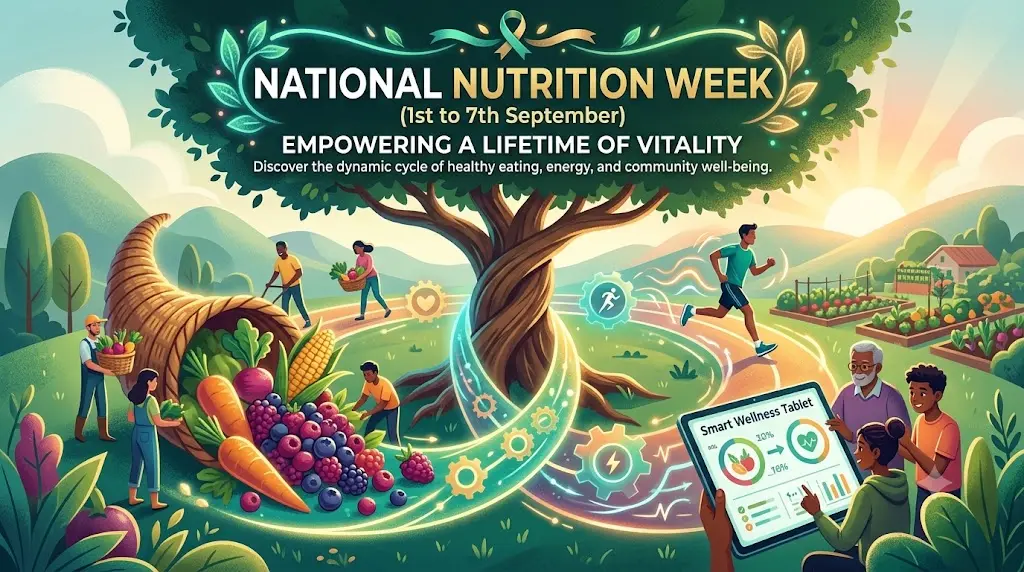
National Nutrition Week, observed from 1st to 7th September, is a significant awareness campaign that emphasizes the importance of healthy eating habits and balanced nutrition. In today’s world, where lifestyle diseases are on the rise, understanding and adopting proper nutritional practices is more crucial than ever. This week-long celebration aims to educate individuals about the benefits of a nutritious diet and how it can prevent various health issues.
Historical Context & Timeline
The concept of National Nutrition Week was first introduced in India in 1982, with the primary objective of creating awareness about the importance of nutrition for maintaining good health. Over the years, the campaign has evolved, incorporating various themes and activities to engage the public and promote healthy eating habits. Key milestones in the history of National Nutrition Week include the launch of the National Nutrition Policy in 1993, which outlined strategies for improving the nutritional status of the population.
Evolution of Nutrition Awareness
As the understanding of human nutrition has advanced, so has the approach to promoting healthy eating. From focusing solely on macro-nutrients like carbohydrates, proteins, and fats, the emphasis has shifted towards understanding the role of micro-nutrients such as vitamins and minerals. Additionally, there’s a growing recognition of the impact of food processing and environmental factors on nutritional outcomes.
In-Depth Core Topic Analysis
National Nutrition Week is not just about raising awareness; it’s also about empowering individuals with the knowledge to make informed choices about their diet. This includes understanding portion control, being aware of hidden sugars and salts in processed foods, and incorporating a variety of whole foods into one’s diet.
Actionable Insights for Healthy Eating
For those looking to adopt healthier eating habits, starting small can make a significant difference. This might involve meal planning, reading food labels more carefully, or simply ensuring that each meal includes a balance of food groups. Additionally, staying hydrated and limiting screen time can have indirect but positive effects on dietary choices.

Pros & Cons of Modern Diets
Modern diets have become increasingly popular because they offer structured meal plans and targeted health benefits. However, while many eating patterns can improve overall well-being, they also come with potential drawbacks. Understanding both the advantages and limitations can help you choose a diet that fits your lifestyle, nutritional needs, and long-term health goals.
Pros of Modern Diets
- Supports Healthy Weight Management: Many modern diets encourage portion control, balanced nutrition, and mindful eating, making it easier to achieve and maintain a healthy weight.
- May Reduce the Risk of Chronic Diseases: Diets rich in fruits, vegetables, whole grains, and healthy fats can help lower the risk of heart disease, type 2 diabetes, obesity, and high blood pressure.
- Provides a Structured Eating Plan: Clear meal guidelines and food recommendations make it easier for people to develop healthier eating habits and stay consistent.
- Encourages Better Food Choices: Many popular diets reduce processed foods, added sugars, and unhealthy fats while promoting nutrient-dense whole foods.
- Can Improve Energy Levels: Eating balanced meals with quality carbohydrates, protein, and healthy fats may provide more consistent energy throughout the day.
- Supports Digestive Health: Diets that include fiber-rich foods can improve digestion, promote gut health, and help prevent constipation.
- May Enhance Mental Well-Being: Nutritious eating patterns have been linked to improved mood, better concentration, and overall cognitive health.
- Promotes Health Awareness: Following a diet often encourages people to read nutrition labels, prepare meals at home, and make informed food choices.
Cons of Modern Diets
- Can Be Overly Restrictive: Some diets eliminate entire food groups, making it difficult to obtain all essential vitamins, minerals, and nutrients without careful planning.
- Risk of Nutrient Deficiencies: Poorly designed or highly restrictive diets may lead to deficiencies in calcium, iron, vitamin B12, vitamin D, fiber, or healthy fats.
- May Be Difficult to Maintain Long-Term: Strict rules and limited food choices can reduce motivation, making it challenging to stick with the diet over time.
- Can Increase Food Costs: Specialized foods, supplements, or organic ingredients recommended by certain diets may be more expensive than a balanced everyday diet.
- Not Suitable for Everyone: Nutritional needs vary based on age, health conditions, activity level, and lifestyle, so a diet that works for one person may not be appropriate for another.
- May Encourage Unhealthy Eating Behaviors: Constant calorie counting, restrictive eating, or labeling foods as “good” or “bad” can contribute to an unhealthy relationship with food.
- Can Cause Initial Side Effects: Some people experience fatigue, headaches, digestive discomfort, or low energy when transitioning to a new eating pattern.
- Results Can Vary: Factors such as genetics, metabolism, physical activity, and consistency all influence how effective a particular diet will be for an individual.
The best diet is one that is nutritionally balanced, sustainable, and tailored to your individual health goals. Rather than following short-term diet trends, focus on building healthy eating habits that provide adequate nutrients and can be maintained for life.
Data, Numbers & Comparison Tables
Research indicates that individuals who follow a balanced diet are less likely to develop chronic diseases. For instance, a study found that 80% of participants who adhered to a Mediterranean-style diet showed significant improvements in heart health compared to those who did not.
| Diet Type | Health Benefits |
|---|---|
| Mediterranean Diet | Reduces heart disease risk, aids in weight management |
| Keto Diet | May help with weight loss, improves blood sugar control |
Frequently Asked Questions
What are the Key Components of a Healthy Diet?
A healthy diet should include a variety of foods from all groups, emphasizing whole, unprocessed foods like vegetables, fruits, whole grains, lean proteins, and healthy fats.
How Often Should I Eat to Stay Healthy?
Eating frequency depends on individual needs, but most adults benefit from three main meals and one or two snacks per day, spaced out to maintain stable energy levels.
Can Supplements Replace a Balanced Diet?
While supplements can fill nutritional gaps, they should not replace whole foods. A balanced diet provides not just vitamins and minerals, but also fiber, phytochemicals, and other beneficial compounds found in whole foods.

Conclusion & Final Takeaways
In conclusion, National Nutrition Week serves as a reminder of the importance of nutrition in our daily lives. By making informed food choices and adopting healthy eating habits, individuals can significantly reduce their risk of lifestyle diseases and improve their overall well-being. As we observe this week, let’s pledge to prioritize nutrition, not just for ourselves, but for our families and communities, fostering a healthier world for generations to come.
Please Write Your Comments