World Lung Cancer Day: Raising Awareness and Hope
Updated: 29 Jul 2026
62
Introduction and Core Importance
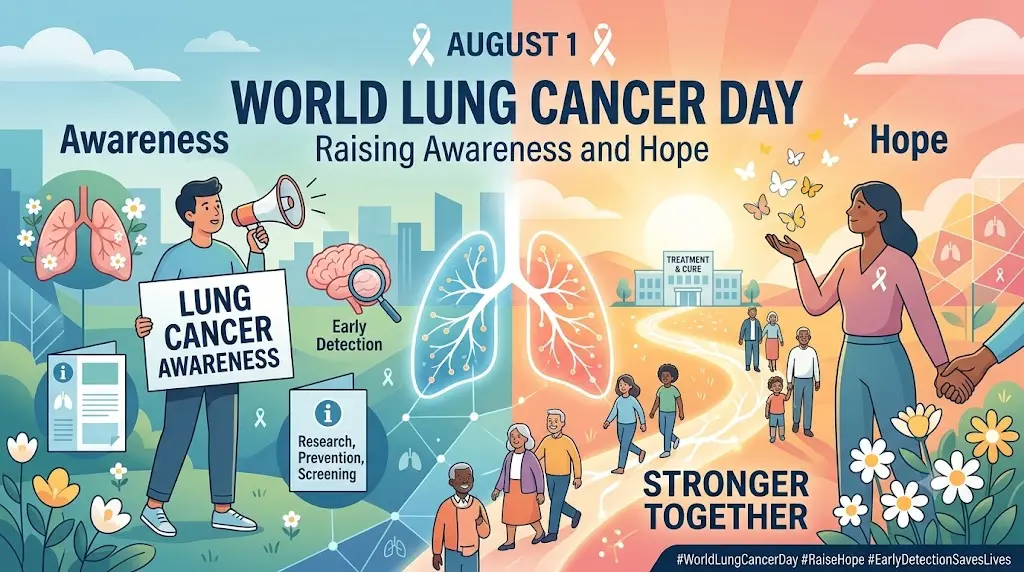
Lung cancer is one of the most common and deadliest types of cancer worldwide, accounting for over 1.8 million deaths annually. World Lung Cancer Day, observed on August 1st, aims to raise awareness about the disease, its symptoms, and the importance of early detection. This article will delve into the history of lung cancer, its causes, symptoms, diagnosis, treatment options, and prevention strategies.
Historical Context and Timeline
The history of lung cancer dates back to the early 20th century, when it was first identified as a distinct medical condition. Over the years, research has led to a better understanding of the disease, its causes, and treatment options. Key milestones include the discovery of the link between smoking and lung cancer in the 1950s and the development of targeted therapies in the 2000s.
Evolution of Treatment Options
Treatment options for lung cancer have evolved significantly over the years, from traditional surgery and chemotherapy to more targeted and immunotherapeutic approaches. Personalized medicine has become a key focus, with treatments tailored to individual patients’ genetic profiles and medical histories.
In-Depth Core Topic Analysis
Causes and Risk Factors
Lung cancer is primarily caused by smoking, which accounts for approximately 80% of all lung cancer deaths. Other risk factors include exposure to secondhand smoke, radon, asbestos, and certain genetic mutations.
Symptoms and Diagnosis
Common symptoms of lung cancer include coughing, chest pain, and shortness of breath. Diagnosis typically involves a combination of imaging tests, such as X-rays and CT scans, and biopsies to examine tissue samples.
Treatment Options
Treatment options for lung cancer depend on the stage and type of cancer, as well as the patient’s overall health. Surgery, chemotherapy, and radiation therapy are common treatments, while targeted therapies and immunotherapies are increasingly being used to treat specific types of lung cancer.

Pros and Cons of Treatment Options
- Surgery: effective for early-stage cancer, but carries risks of complications and scarring
- Chemotherapy: can be effective for advanced cancer, but often causes significant side effects
- Targeted therapies: can be highly effective for specific types of cancer, but may have limited availability and high costs
Data, Numbers, and Comparison Tables
According to the World Health Organization (WHO), lung cancer accounts for approximately 19% of all cancer-related deaths worldwide. The following table compares the incidence and mortality rates of lung cancer in different regions:
| Region | Incidence Rate | Mortality Rate |
| — | — | — |
| North America | 34.6 per 100,000 | 26.4 per 100,000 |
| Europe | 31.4 per 100,000 | 24.1 per 100,000 |
| Asia | 24.1 per 100,000 | 19.2 per 100,000 |
Frequently Asked Questions (FAQ)
What are the symptoms of lung cancer?
Common symptoms of lung cancer include coughing, chest pain, and shortness of breath.
How is lung cancer diagnosed?
Diagnosis typically involves a combination of imaging tests, such as X-rays and CT scans, and biopsies to examine tissue samples.
What are the treatment options for lung cancer?
Treatment options for lung cancer depend on the stage and type of cancer, as well as the patient’s overall health, and may include surgery, chemotherapy, radiation therapy, targeted therapies, and immunotherapies.
Conclusion and Final Takeaways
World Lung Cancer Day serves as a reminder of the importance of raising awareness about lung cancer, its symptoms, and the importance of early detection. By understanding the causes, symptoms, diagnosis, and treatment options, individuals can take proactive steps to reduce their risk of developing lung cancer and improve their chances of survival.
Please Write Your Comments